The moment context graphs become necessary
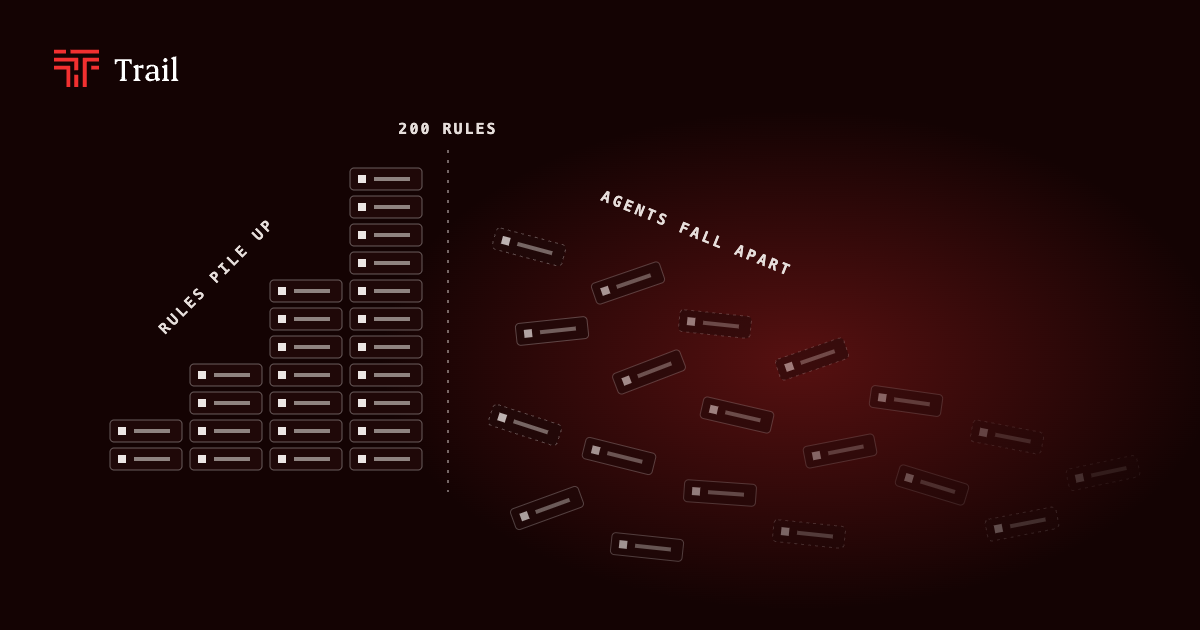
The moment context graphs become necessary: agents tend to break down past about 200 rules, and sooner across an ERP, a CRM or a migration.
 Nov 17, 2026
Blog
The moment context graphs become necessary: agents tend to break down past about 200 rules, and sooner across an ERP, a CRM or a migration.
Nov 17, 2026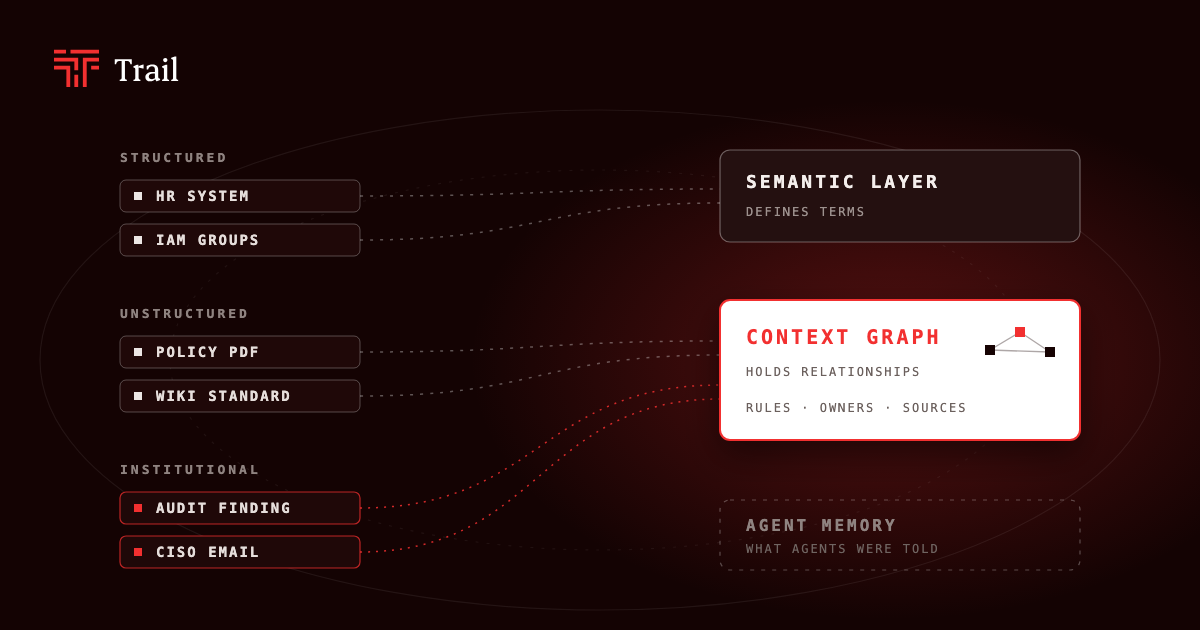
A semantic layer defines terms, a context graph holds relationships, and agent memory records what agents learned. Here's how IT teams should use each.
Nov 10, 2026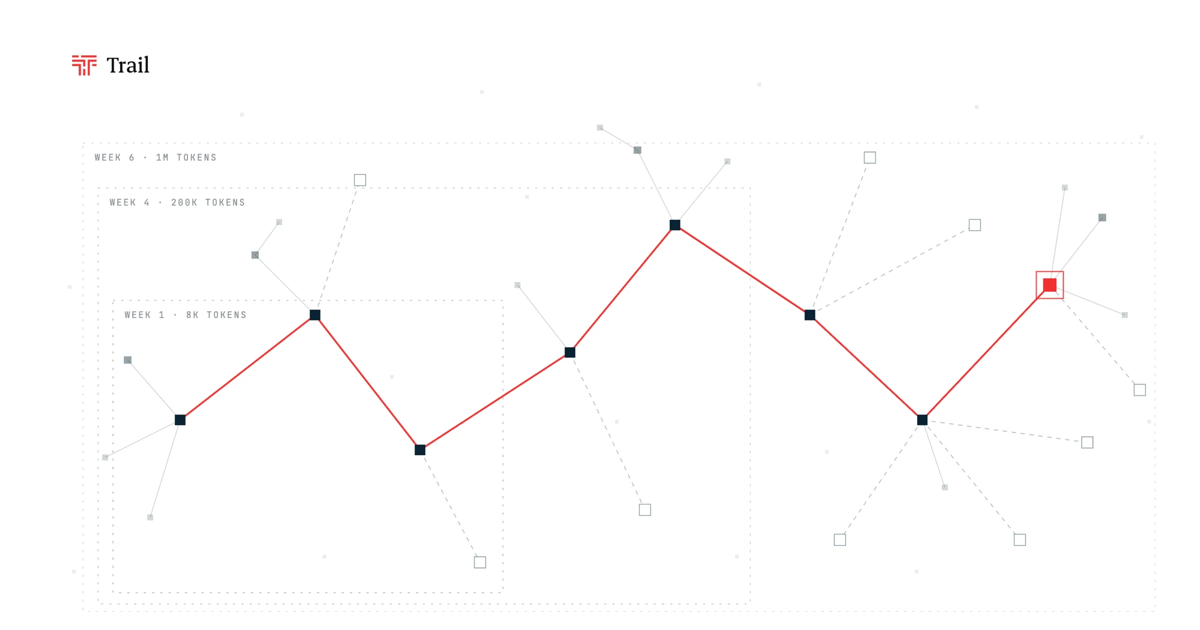
Long context windows and agent memory fill with true items that disagree. Without a stored rule for which one governs, agents pick the wrong one.
Nov 3, 2026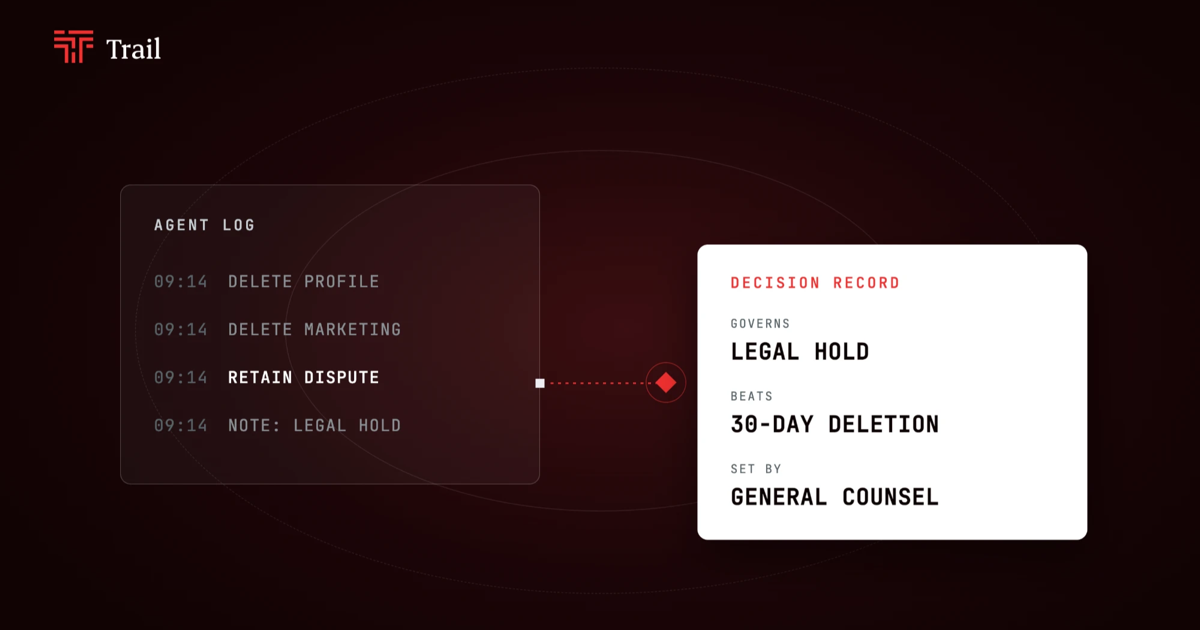
An agent's logs show what it did, while an auditor asks which rule governed and who decided that rule should win.
Oct 22, 2026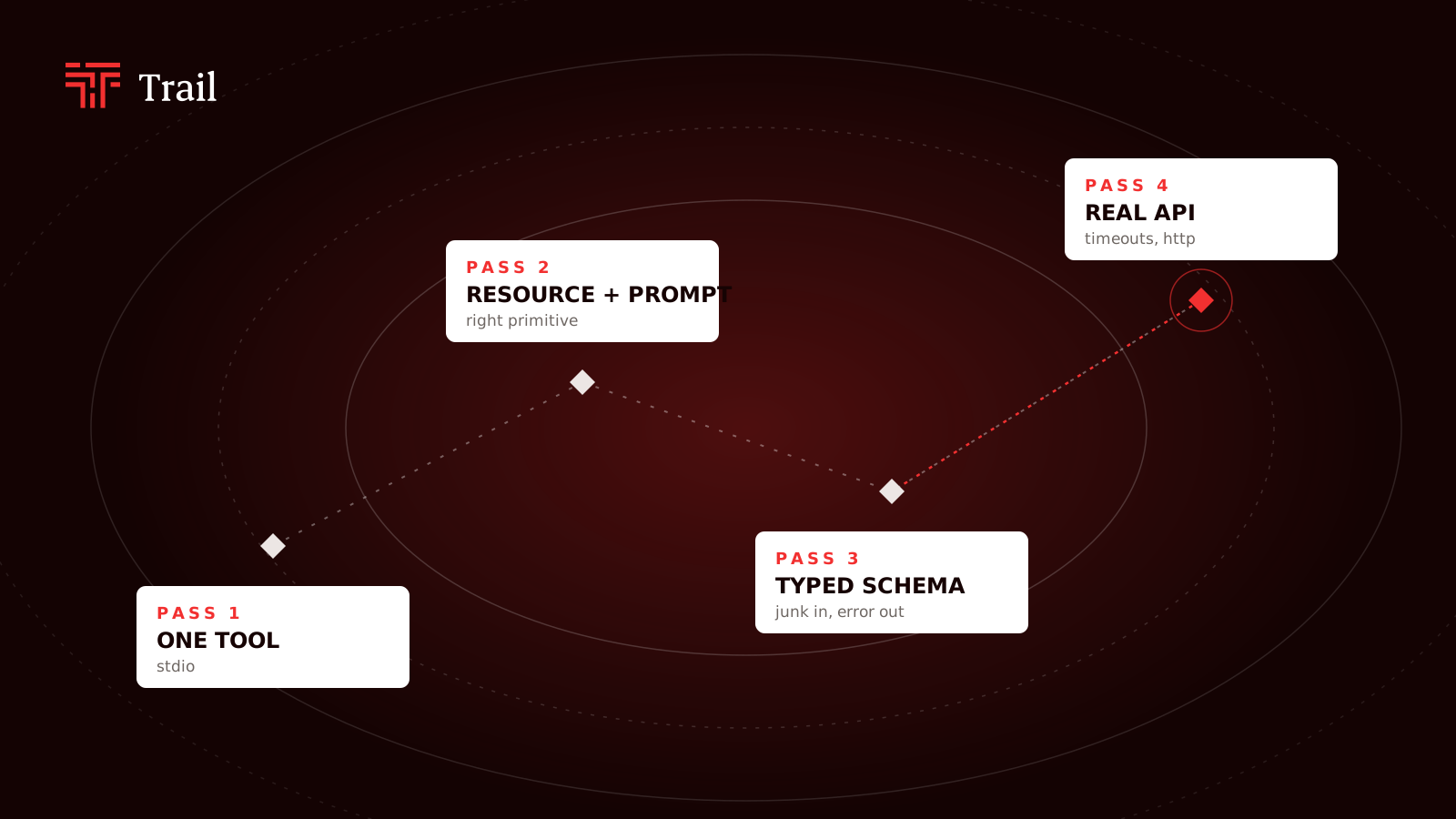
A working MCP server in fifteen lines, then three more passes that hit the edges of the protocol.
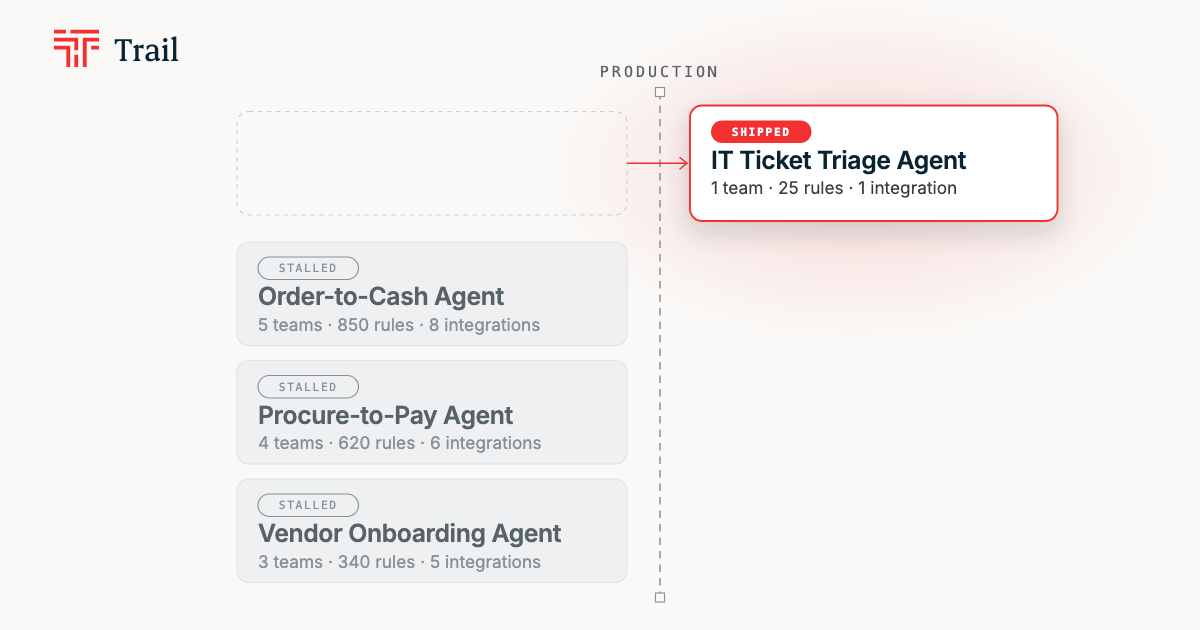
That payoff came from a simple task inside one team. Complex work pulls rules from more systems and teams, and those rules often conflict. Better retrieval won't help. It finds every rule that applies but can't tell an agent which one wins.
Oct 6, 2026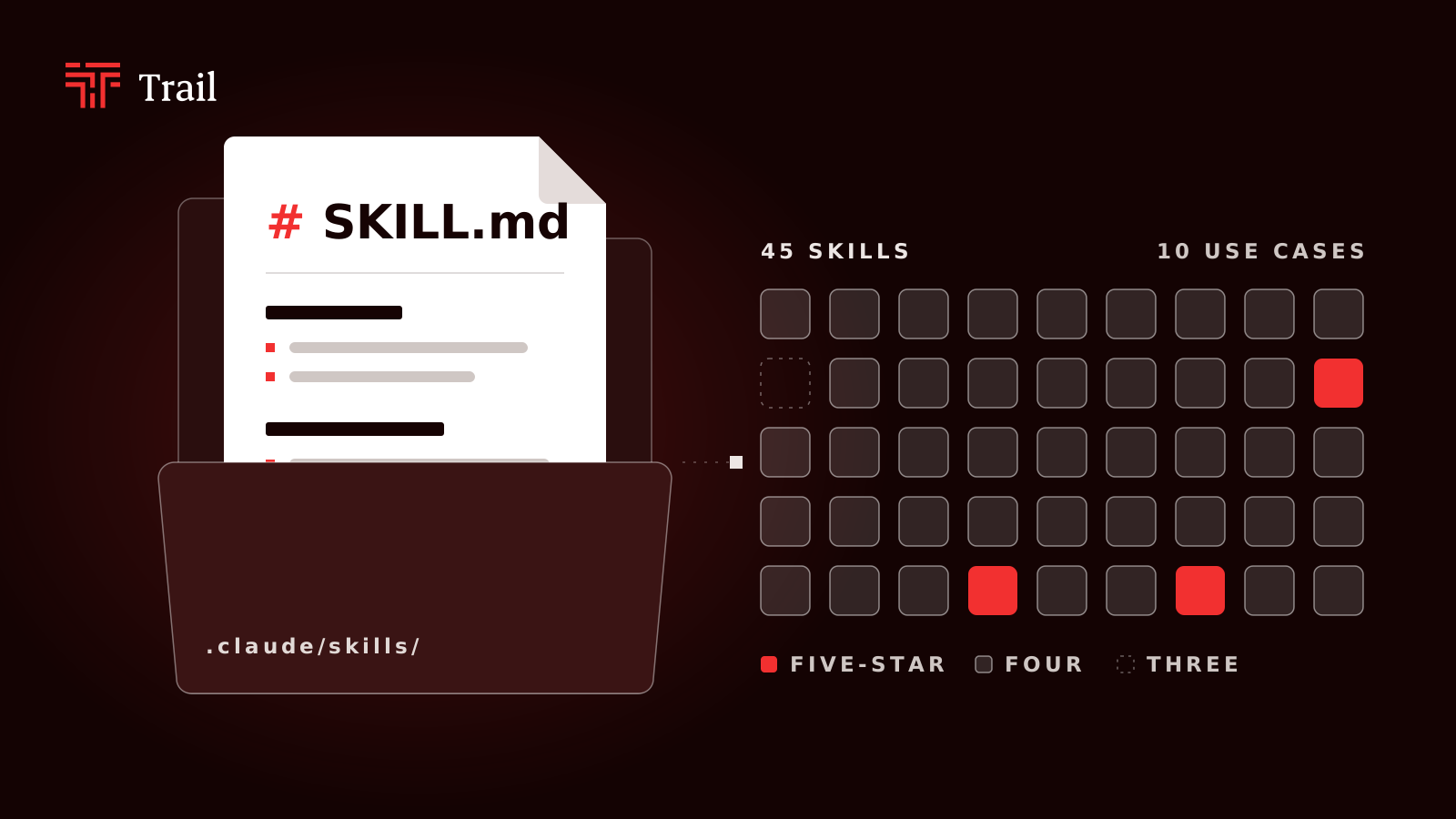
49 Claude Code skills graded by evidence across 10 use cases, plus how skills load, what they cost, and when a hook or CLAUDE.md does the job better.
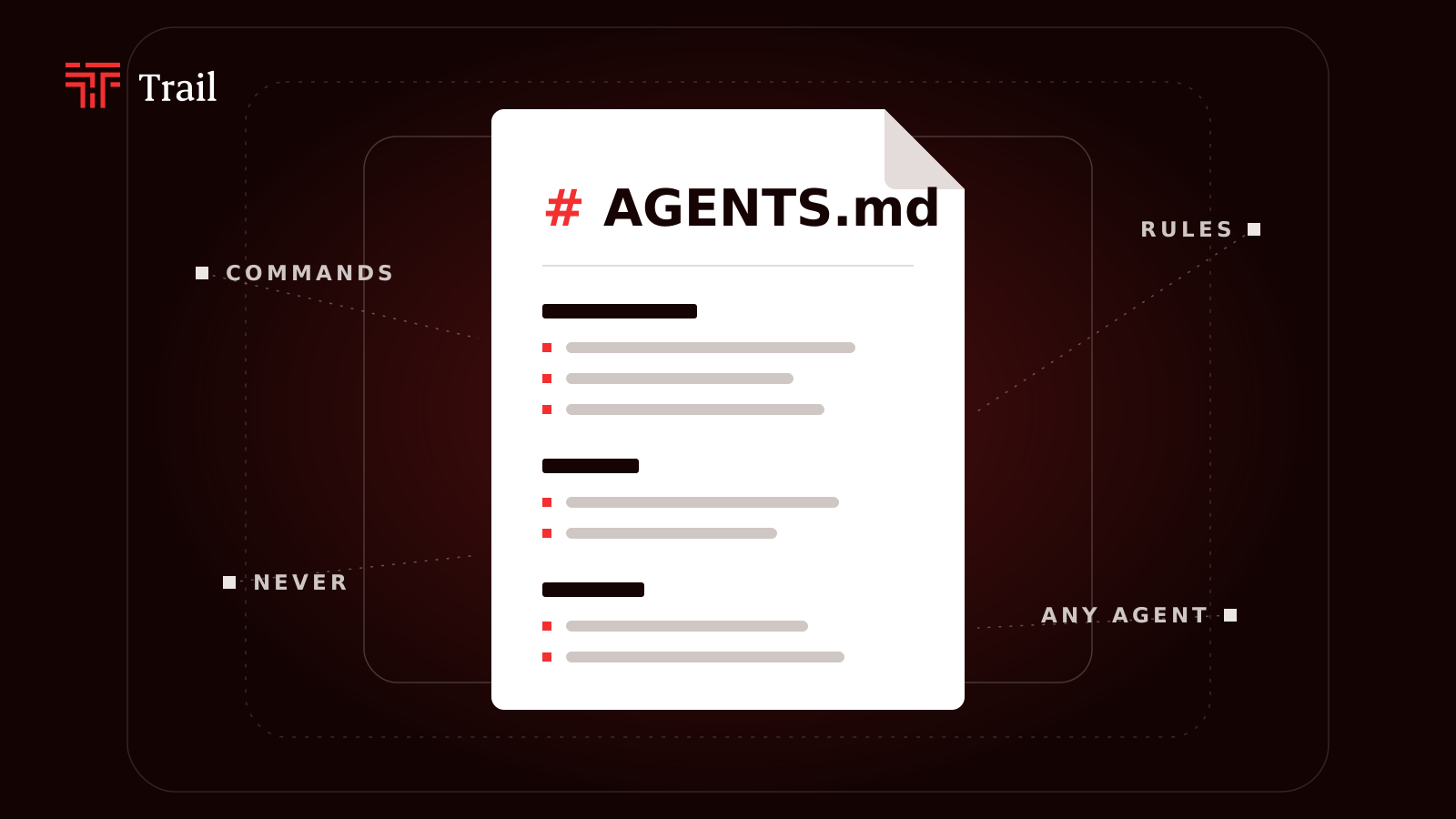
AGENTS.md (not agent.md) is the file Codex, Cursor and Copilot read for project rules. Where it goes, global vs nested files, a template, and what studies show.

Graphify, Codegraph, and Graft (now Trail-code) all map your repo for coding agents. What each one's benchmarks actually prove, and which to pick for multi-file changes.
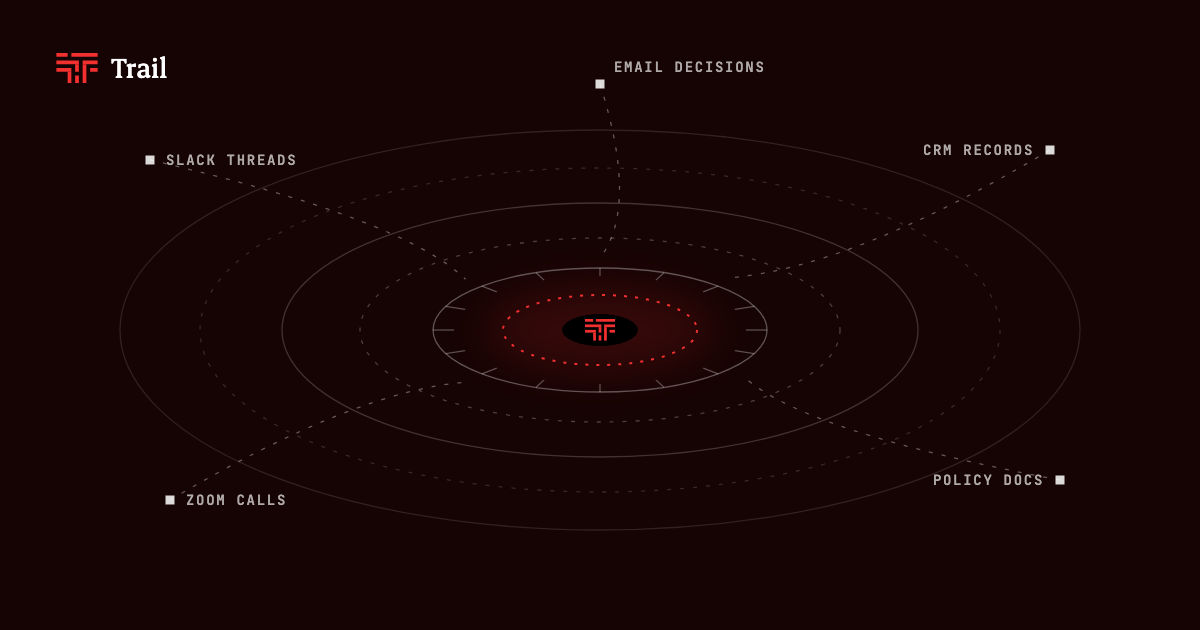
A context graph stores entities, rules, and decision traces for AI agents. How to create one in eight steps, the Postgres schema, what a decision trace records, and how agents use it.

Agents break SOPs in seven distinct ways. The evidence on each, where to put rules in Claude and ChatGPT, what practitioners learned the hard way, and how to test that a rule holds.
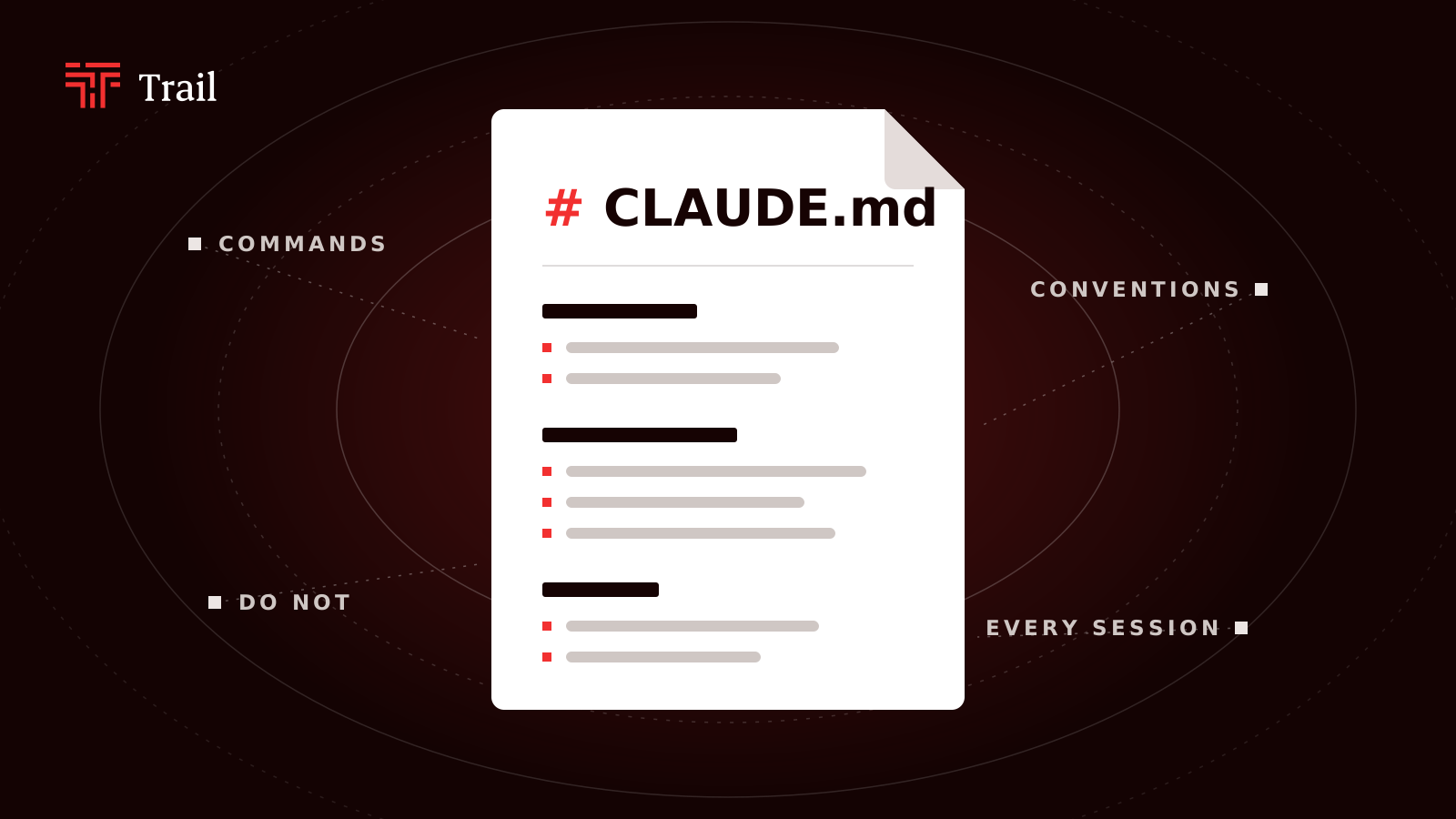
Claude Code reads CLAUDE.md at the start of every session. Where each file goes (./CLAUDE.md, ~/.claude/CLAUDE.md, CLAUDE.local.md), what to write and what to cut.
A company brain is a maintained knowledge layer people and agents both read. What goes in, how to build one in seven steps, what it costs, and why most fail.
An MCP server exposes tools to AI applications through the Model Context Protocol. How they work on the wire, when to build one, how to connect one, and how to vet one.
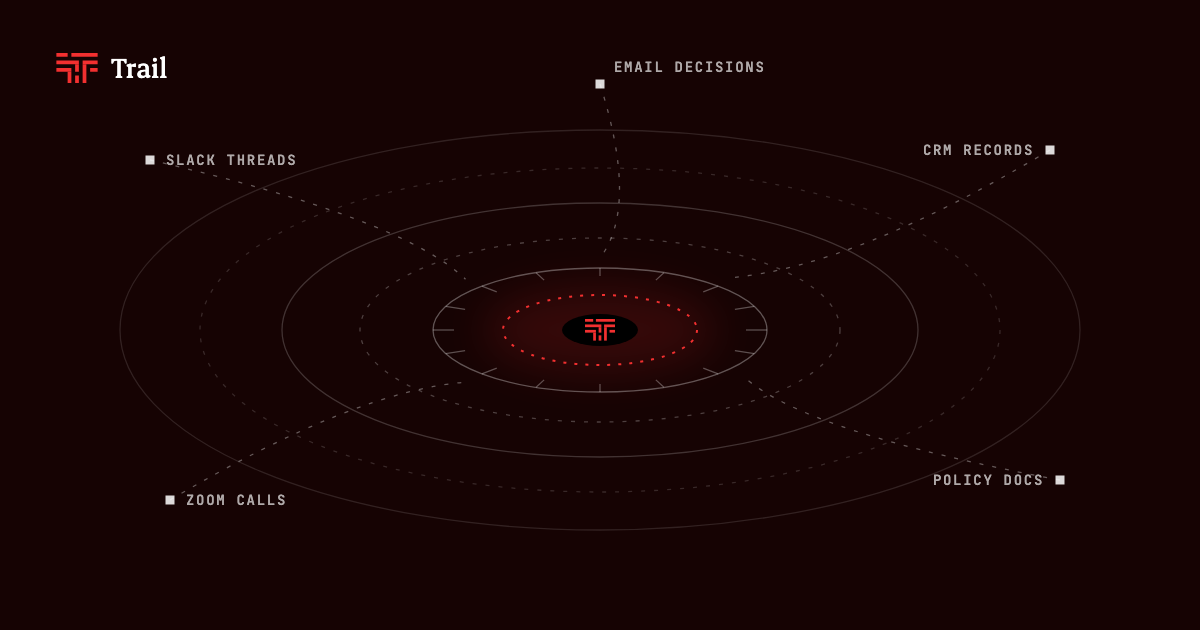
We explain why AI agents need to capture decisions, how context graphs achieve this, and how AI agents can use these graphs.
All 25 announcements from Orlando, what's actually shipping vs. what's marketing — and what it means for the document and data foundation of the autonomous enterprise.
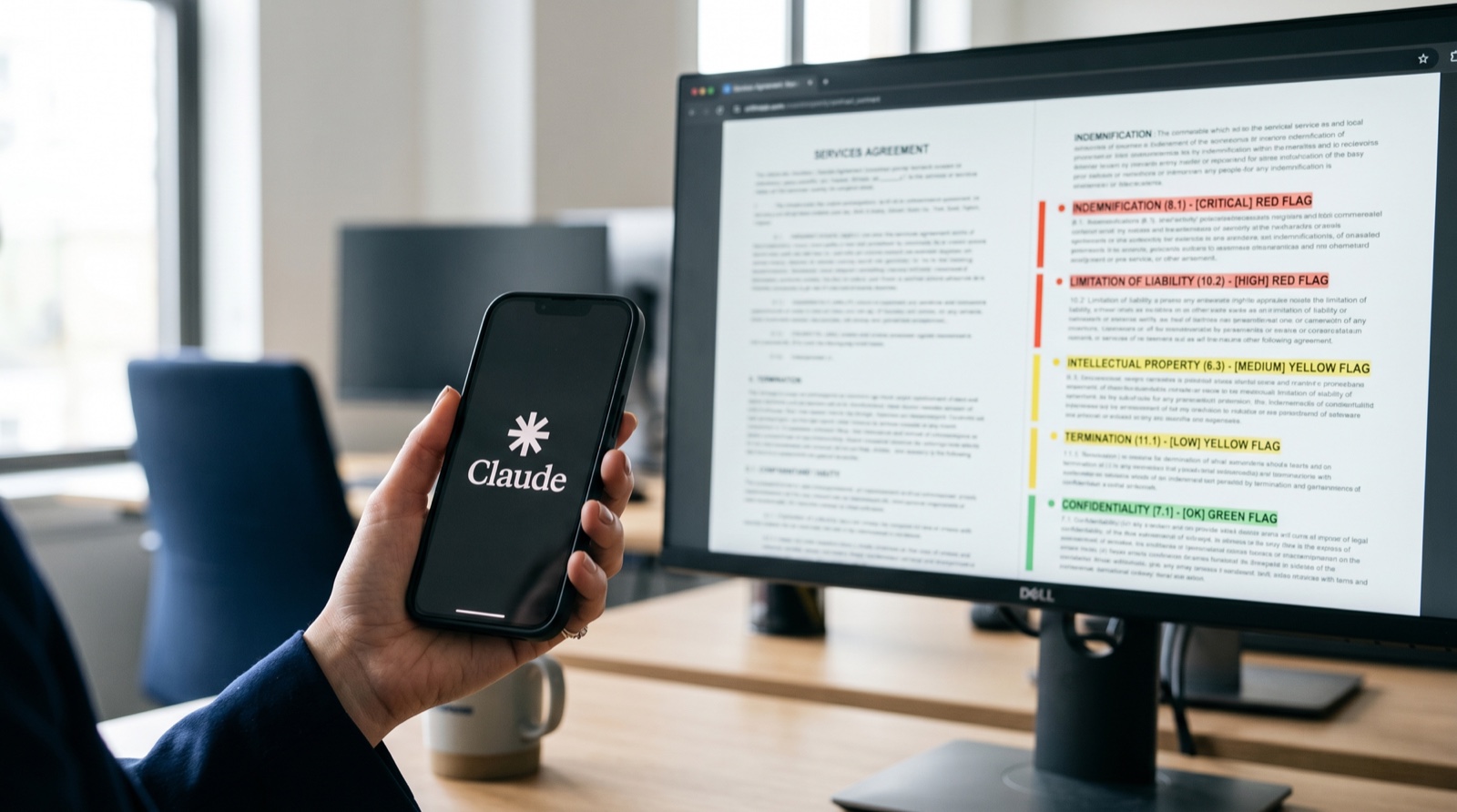
See how the Claude legal plugin helps in-house legal teams with contract review, compliance scanning, due diligence, obligations tracking, and drafting.
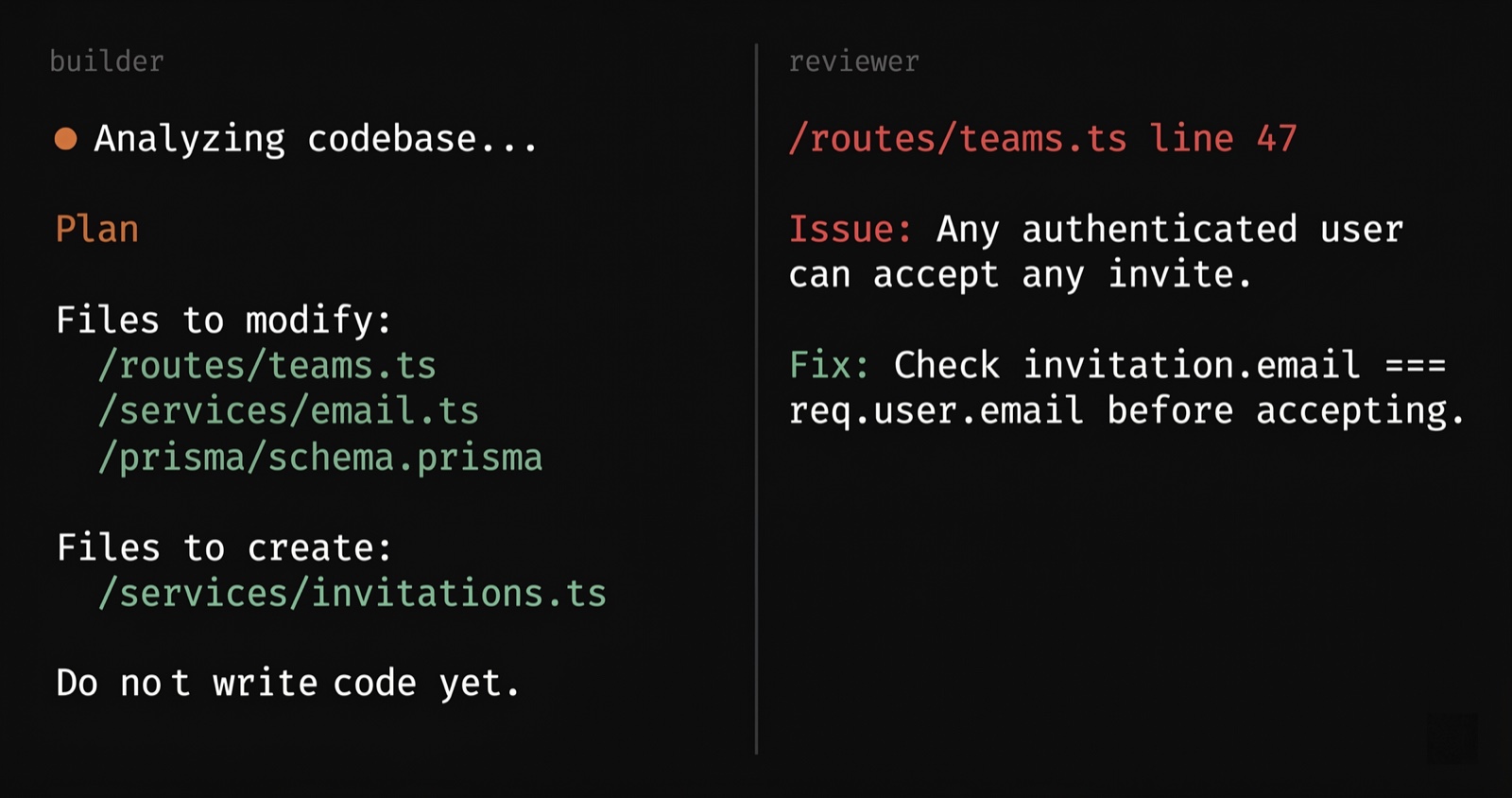
Learn 5 practical vibe coding best practices for Claude Code and coding agents: CLAUDE.md, planning, review agents, safer prompts, and diff review.
Learn what MMLU, GPQA Diamond, SWE-bench, HealthBench, and Chatbot Arena actually measure, and how labs game benchmark scores.
1,000 tokens is about 750 words, so 50K tokens is roughly 37,500 words. Why Claude limits run out so fast, and how to cut waste from history, files and tools.
See how finance teams use Claude for one-pagers, CIMs, comps, DCF models, reconciliations, and variance commentary, plus key human checks.
Yes, OpenAI and Google degrade their models. OpenAI admitted silent updates after denying it. Gemini redirects models. With full evidence.
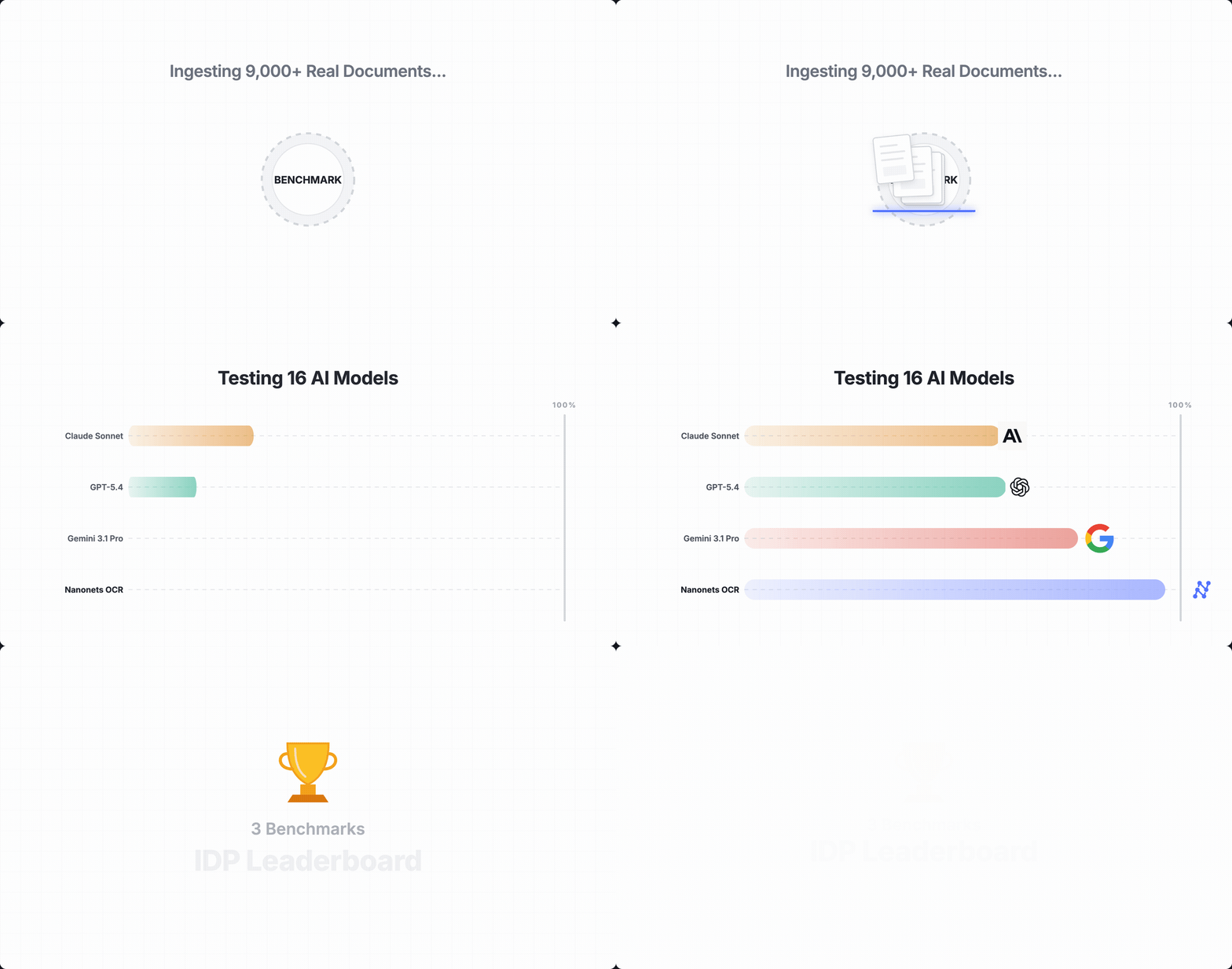
We benchmarked GPT-5.4, Gemini 3.1 Pro, Claude Opus, Sonnet, and 12 others on 3 Open OCR Benchmarks

Claude AI was used in the Venezuela raid that captured Maduro. Anthropic didn't know how until they asked Palantir. All possible scenarios here.
Point Trail at the policy, SOP, agreement that decides your work, and watch it build an agent using rules traced back to the text they came from.